Archives
- 2026-07
- 2026-06
- 2026-05
- 2026-04
- 2026-03
- 2026-02
- 2026-01
- 2025-12
- 2025-11
- 2025-10
- 2025-09
- 2025-03
- 2025-02
- 2025-01
- 2024-12
- 2024-11
- 2024-10
- 2024-09
- 2024-08
- 2024-07
- 2024-06
- 2024-05
- 2024-04
- 2024-03
- 2024-02
- 2024-01
- 2023-12
- 2023-11
- 2023-10
- 2023-09
- 2023-08
- 2023-07
- 2023-06
- 2023-05
- 2023-04
- 2023-03
- 2023-02
- 2023-01
- 2022-12
- 2022-11
- 2022-10
- 2022-09
- 2022-08
- 2022-07
- 2022-06
- 2022-05
- 2022-04
- 2022-03
- 2022-02
- 2022-01
- 2021-12
- 2021-11
- 2021-10
- 2021-09
- 2021-08
- 2021-07
- 2021-06
- 2021-05
- 2021-04
- 2021-03
- 2021-02
- 2021-01
- 2020-12
- 2020-11
- 2020-10
- 2020-09
- 2020-08
- 2020-07
- 2020-06
- 2020-05
- 2020-04
- 2020-03
- 2020-02
- 2020-01
- 2019-12
- 2019-11
- 2019-10
- 2019-09
- 2019-08
- 2019-07
- 2019-06
- 2019-05
- 2019-04
- 2018-11
- 2018-10
- 2018-07
-
Recently several groups including ours have
2022-12-21

Recently, several groups, including ours, have started to use the C. elegans multi-dendritic PVD neurons as a model system to dissect the molecular mechanisms of dendrite development. During larval development, PVD elaborates complex and stereotyped dendritic arbors by sequentially adding primary (1
-
Besides Arg overexpression our data revealed that AGEs could
2022-12-17

Besides Arg2 overexpression, our data revealed that AGEs could decrease eNOS mRNA levels, which is considered a significant cause for attenuated NO production and vasodilation. It was found recently that AGEs significantly reduce eNOS expression levels and NO bioavailability in human carotid artery
-
In our previous report salivary arginase
2022-12-17
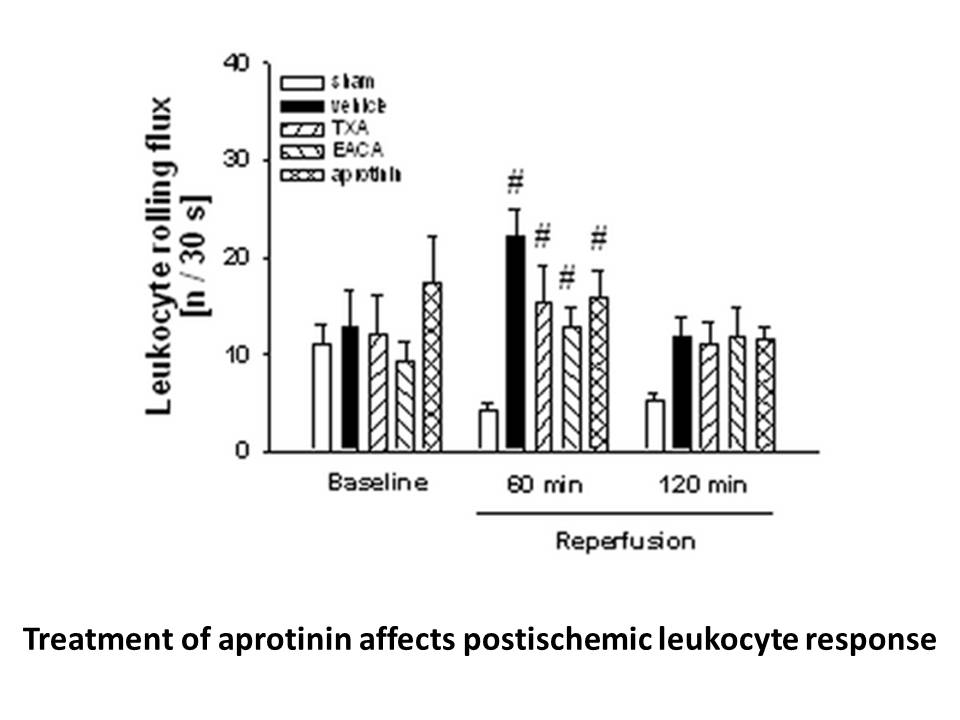
In our previous report, salivary arginase levels were found to be higher in periodontitis patients compared to healthy controls (Ozmeriç, Elgün, & Uraz, 2000). However, only one study has investigated arginase ezyme in saliva in patients with dental implants in which smokers were also included. An i
-
Regardless of the initial treatment most patients with
2022-12-16
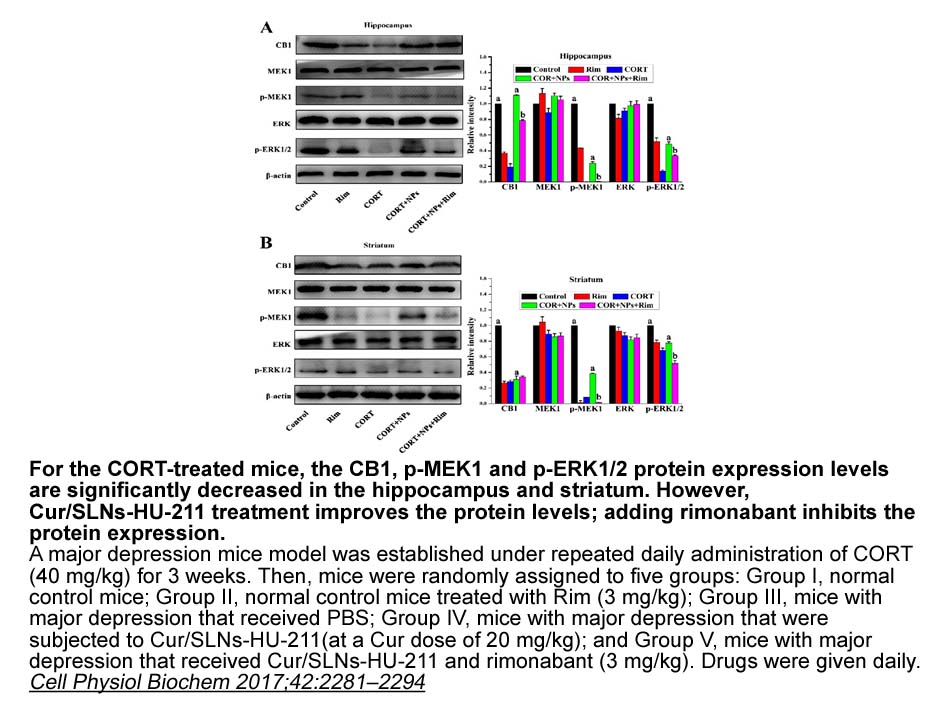
Regardless of the initial treatment, most patients with advanced NSCLC experience relapse and disease progression [15]. A subpopulation of immediate concern and clinical need is patients who have advanced NSCLC that is especially aggressive, which is usually defined as disease that rapidly progresse
-
br Acknowledgments This work was supported by
2022-12-15
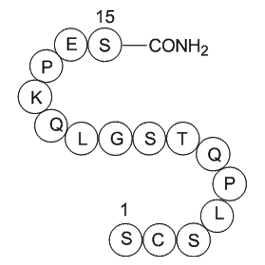
Acknowledgments This work was supported by Grant-in-aid for Scientific Research (S) (20229008) (to T.K.), Targeted Proteins Research Program (to T.K.), the Global COE Research Program (to T.K.) and Translational Systems Biology and Medicine Initiative (to T.K.) from the Ministry of Education, Cul
-
allopurinol zyloprim There is also a literature on
2022-12-15
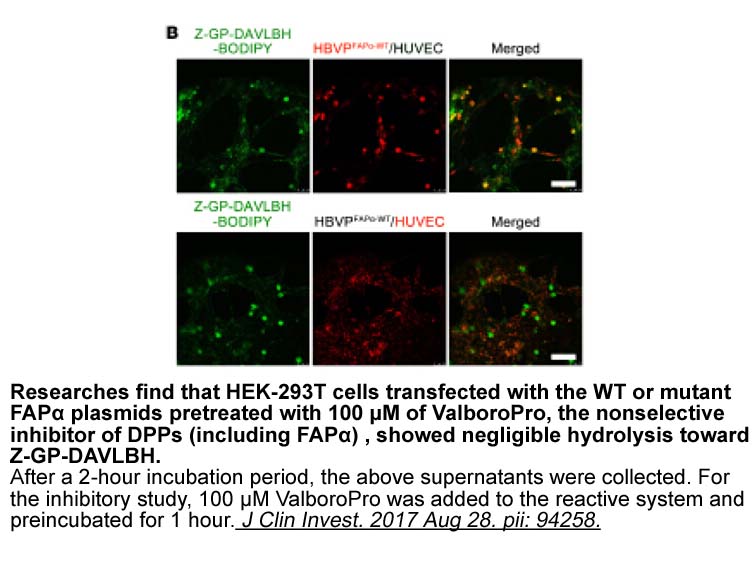
There is also a literature on the impact of commodity (consumption) taxation under imperfect competition. Besley (1989) applies a Cournot model, in which production takes place under IRS and in which free entry leads to an excessive number of firms in the market. Introducing a distortive specific co
-
It involves complementary and inflammatory system proteins m
2022-12-15
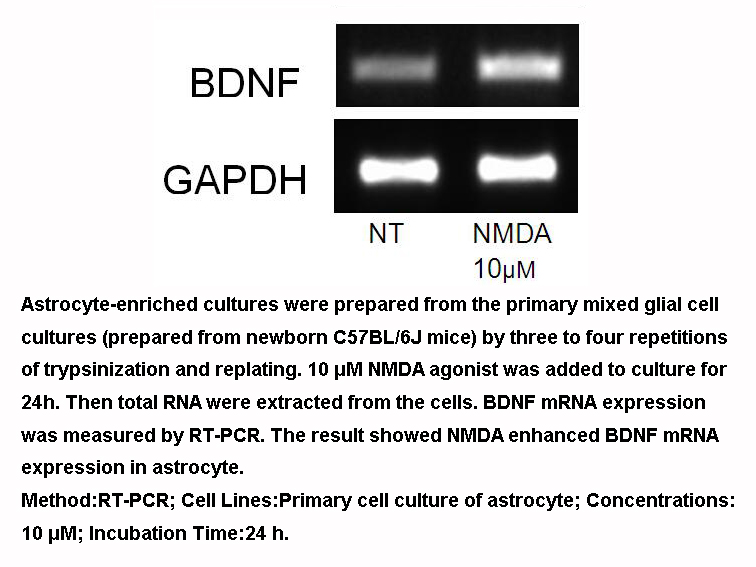
It involves complementary and inflammatory system proteins, mast cells, eosinophils, basophils, macrophages, natural killer (NK) cells and cytokines [1]. Innate immunity, not only include cells, but also barriers that defend the organism to the penetration of pathogenic agents [2]. Important mediat
-
Considering the physicochemical stability results on Fig it
2022-12-15
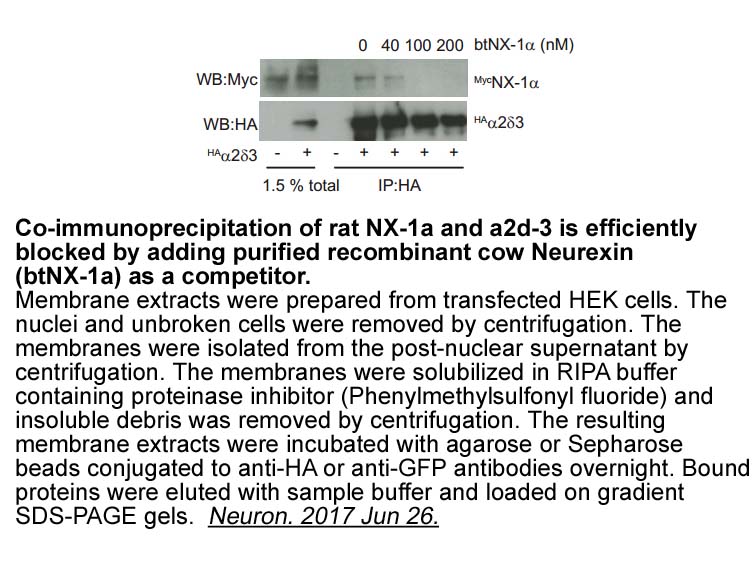
Considering the physicochemical stability results on Fig. 5, it was observed that the particles are stable when they are stored at 4 °C for 30 days. After day 30, a significant increase was observed in particle size, but at the end of the 90 days the SLN particle size is still below 100 nm. Stabilit
-
As cytosolic acetyl CoA levels in hepatocytes descend cellul
2022-12-15
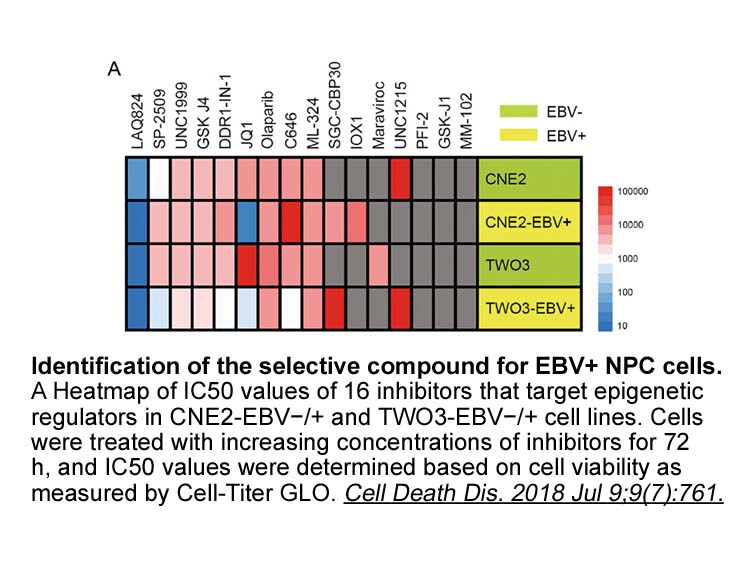
As cytosolic acetyl-CoA levels in hepatocytes descend, cellular production and concentration of cholesterol go down, a change that is known to be sensed by the Sterol response element binding protein (SREBP)/Cleavage-Activating Protein system, leading to SREBP escort to the Golgi apparatus, cleavage
-
Somatostatin analogs also bind to
2022-12-14
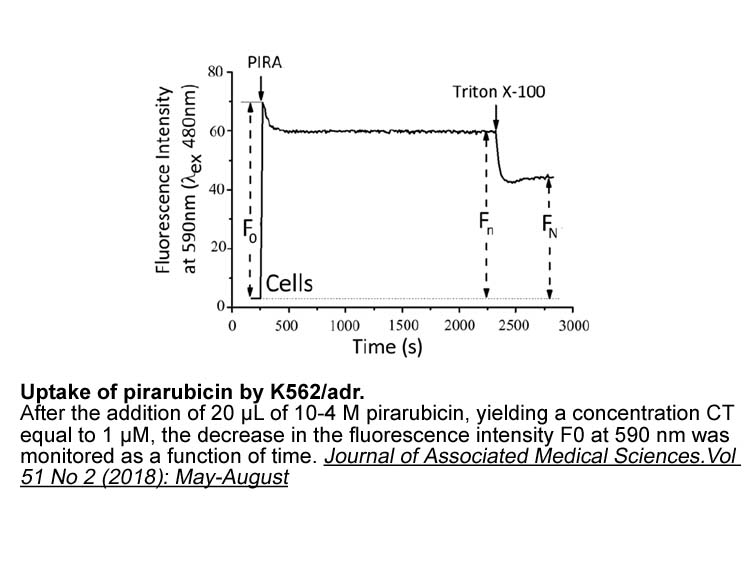
Somatostatin analogs also bind to somatostatin receptors. It has been reported that octreotide has a high affinity for hSSTR2, moderate affinity for hSSTR3 and hSSTR5, and does not bind to hSSTR1 or hSSTR4 (Ben-Shlomo and Melmed 2008). Compared to octreotide, pasireotide displays 40-, 30-, and 5-fol
-
Therefore we have further investigated
2022-12-14
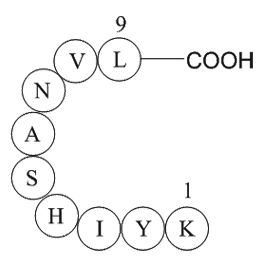
Therefore, we have further investigated the anti-oxidant activity of isogarcinol in vitro by measuring the scavenging of 2,2′-diphenyl-1-1picrylhydrazyl (DPPH) and 2,2′-azino-bia (3-ethylben-zothiazoline-6-sulphonicacid) (ABTS), and determining its reducing power and ability to prevent lipid peroxid
-
br Epidemiology br Genetics The dominantly
2022-12-14
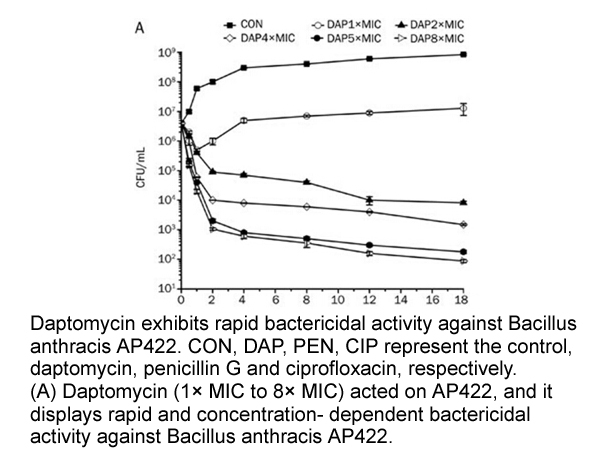
Epidemiology Genetics The dominantly inherited PrP cerebral amyloidoses are genetically transmitted with a penetrance of almost 100%. Early linkage analysis studies helped to established the relationship between GSS and mutations in the PRNP gene. PRNP is located on the short arm of chromosome
-
br Economics consequences of antibiotic resistance
2022-12-14
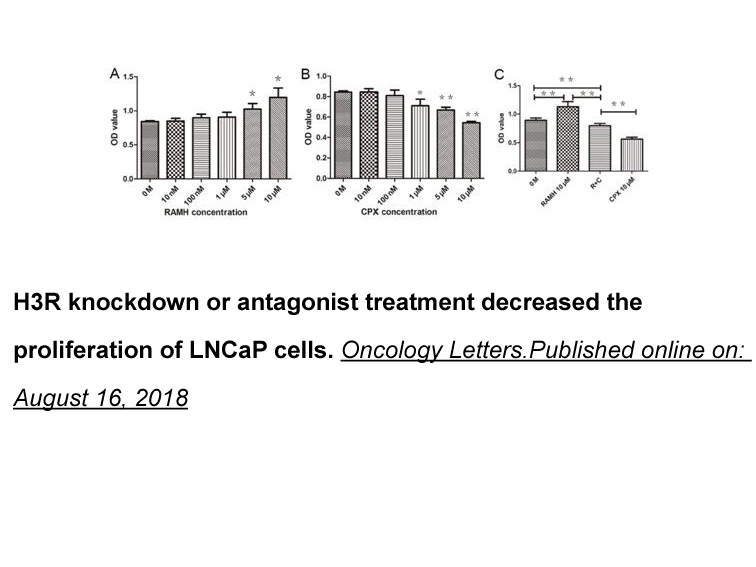
Economics consequences of antibiotic resistance in a SICU In the era of cost-containment, surgeons also need to consider the economic impact of antibiotic resistance in the surgical patient. Antibiotic-resistant infections are more difficult to treat, are more costly and more likely to be fatal t
-
Detailed analysis of the dose dependence
2022-12-14
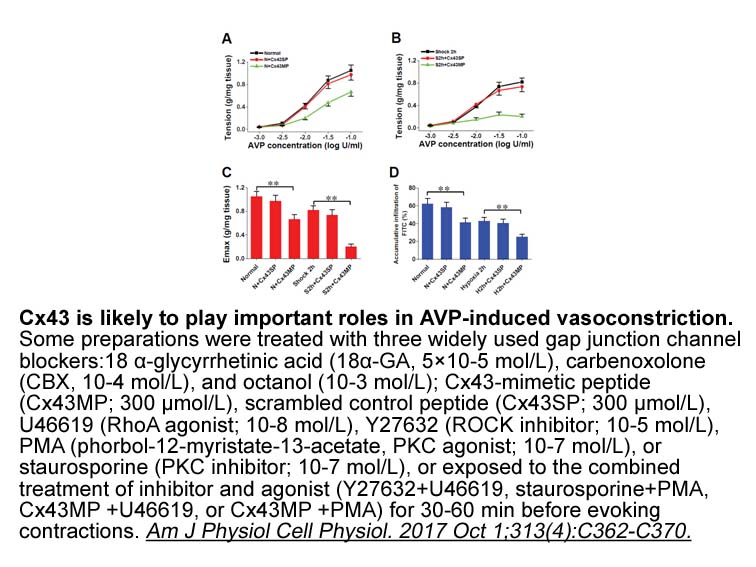
Detailed analysis of the dose dependence of Aβ effects revealed that at low amounts, Aβ can also act as a positive regulator of presynaptic activity, enhancing the neurotransmitter release probability and increasing the neuronal excitability [2]. The facilitator effects of low Aβ dose on excitatory
-
In addition AMPK reduces protein synthesis and stimulates ap
2022-12-14
In addition, AMPK reduces protein synthesis and stimulates apoptotic and autophagic pathways through the inhibition of the mechanistic target of rapamycin (mTOR), which regulates cellular metabolic homeostasis, insulin secretion, insulin resistance, autophagy and apoptosis (Maiese, 2016). mTOR is th
16784 records 399/1119 page Previous Next First page 上5页 396397398399400 下5页 Last page