Archives
- 2026-07
- 2026-06
- 2026-05
- 2026-04
- 2026-03
- 2026-02
- 2026-01
- 2025-12
- 2025-11
- 2025-10
- 2025-09
- 2025-03
- 2025-02
- 2025-01
- 2024-12
- 2024-11
- 2024-10
- 2024-09
- 2024-08
- 2024-07
- 2024-06
- 2024-05
- 2024-04
- 2024-03
- 2024-02
- 2024-01
- 2023-12
- 2023-11
- 2023-10
- 2023-09
- 2023-08
- 2023-07
- 2023-06
- 2023-05
- 2023-04
- 2023-03
- 2023-02
- 2023-01
- 2022-12
- 2022-11
- 2022-10
- 2022-09
- 2022-08
- 2022-07
- 2022-06
- 2022-05
- 2022-04
- 2022-03
- 2022-02
- 2022-01
- 2021-12
- 2021-11
- 2021-10
- 2021-09
- 2021-08
- 2021-07
- 2021-06
- 2021-05
- 2021-04
- 2021-03
- 2021-02
- 2021-01
- 2020-12
- 2020-11
- 2020-10
- 2020-09
- 2020-08
- 2020-07
- 2020-06
- 2020-05
- 2020-04
- 2020-03
- 2020-02
- 2020-01
- 2019-12
- 2019-11
- 2019-10
- 2019-09
- 2019-08
- 2019-07
- 2019-06
- 2019-05
- 2019-04
- 2018-11
- 2018-10
- 2018-07
-
POE specialises Rogers definition of engineering
2021-08-28
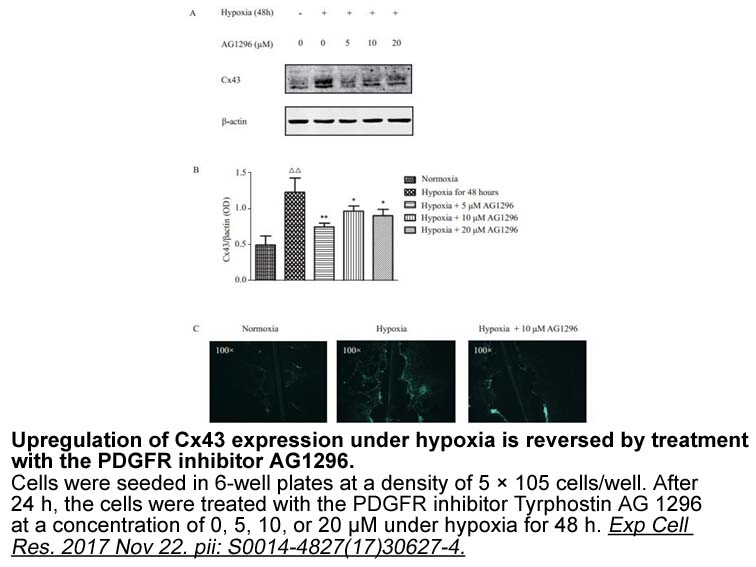
POE specialises Rogers' definition of engineering [37] to systems engineering as: As such, systems engineering becomes a problem solving exercise, the problem being, given a physical environment E, to find the system S that That means meets a real-world need N to the satisfaction of a group of sta
-
Taking all the data together
2021-08-28
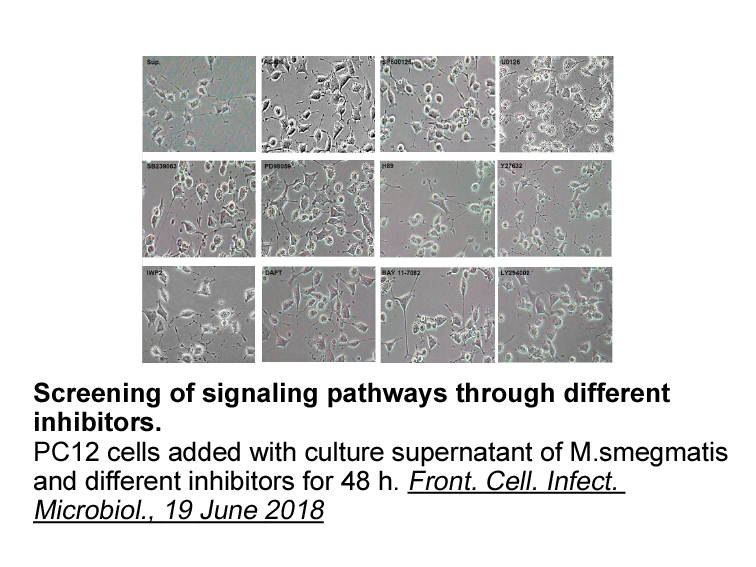
Taking all the data together, we propose the possible mechanism of glyphosate-induce cell proliferation via estrogen receptor signaling (Fig. 10). Glyphosate may bind to ERα followed by an activation step that starts with the phosphorylation of ERα and activation of other signaling proteins by phosp
-
br Discussion Estradiol is known as one of the stress
2021-08-28

Discussion Estradiol is known as one of the stress signaling molecule [3,4,14]. Here, we showed that PH induced estradiol production before hepatocyte proliferation (Fig. 1). Conversely, the ovariectomized and orchitectomized mice produced less estradiol after PH, and had delayed liver regenerati
-
Constitutive activity of Ras Raf MEK ERK pathway plays a
2021-08-28
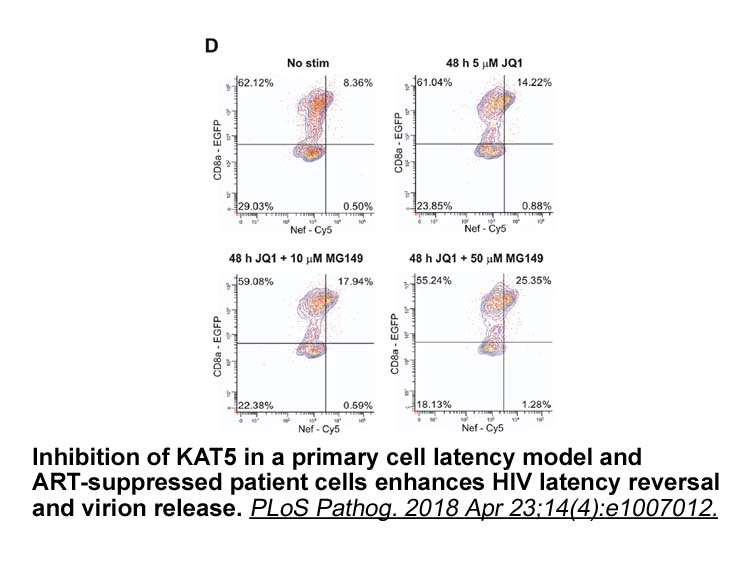
Constitutive activity of Ras/Raf/MEK/ERK pathway plays a critical role on melanoma growth, thus inhibition of activity of Ras, Raf and MEK can reduce ERK activity, leading to a decrease in melanoma cell proliferation, survival and invasion (Burotto et al., 2014; Paluncic et al., 2016). Our results a
-
EphB appears to be a low
2021-08-28

EphB4 appears to be a low-affinity receptor for rhEpo based on the biochemical data. The concentration of rhEpo used for the biological experiments (50 IU/ml) corresponds to 10–15 nM, which is 1% to 2% of the KD value (KD = 881 nM) for the binding of rhEpo to EphB4, as measured in the MST assay. The
-
Like all other cellular processes ubiquitination is also tig
2021-08-28
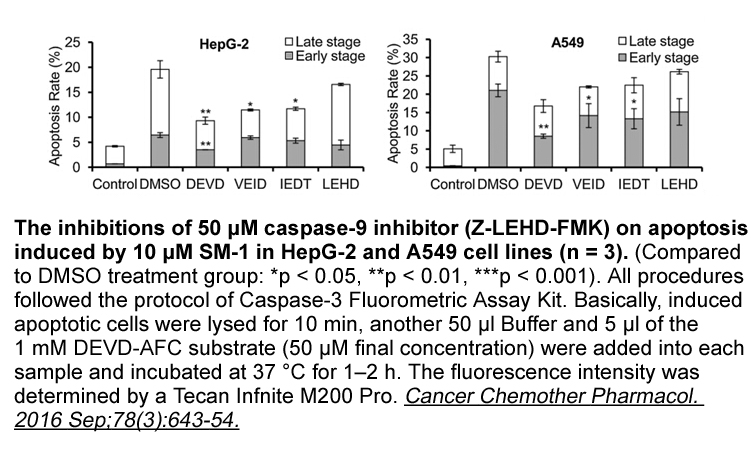
Like all other cellular processes, ubiquitination is also tightly regulated; more so, as myriads of pathways are controlled via this conjugation and dysregulation of ubiquitination has been implicated in various diseases including cancer [16], [17]. Quite a few of such regulatory mechanisms that con
-
CysLTs trigger contractile and inflammatory processes throug
2021-08-27
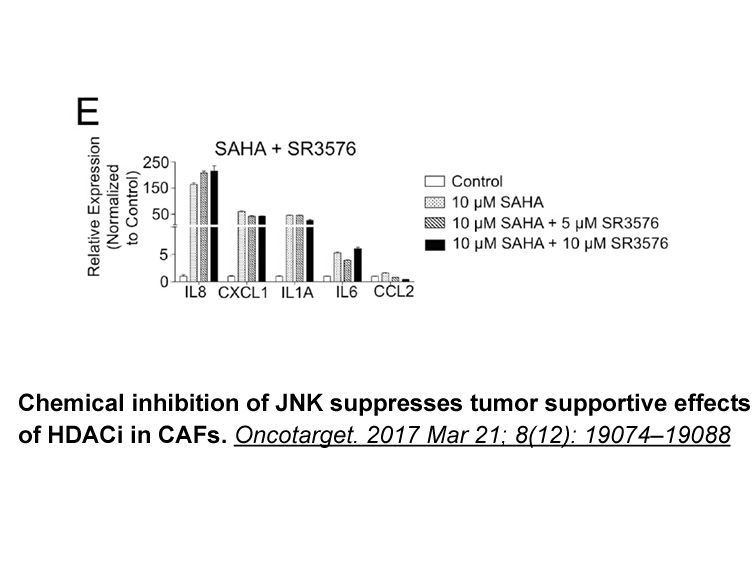
CysLTs trigger contractile and inflammatory processes through the specific interaction with cell surface receptors belonging to the rhodopsin family of the G protein-coupled receptor (GPCR) genes. Until now, two receptor subtypes have been cloned, namely CysLT1 and CysLT2[8]. In particular, when the
-
br Deregulation of CDK Many
2021-08-27

Deregulation of CDK5 Many neurotoxic or stress conditions like ischemic pten pathway damage, oxidative stress, mitochondrial dysfunctions, excitotoxicity, Aβ exposure lead to disruption of the tight regulation of Cdk5 (De Strooper et al., 2010). Calpain-mediated cleavage of p35 to p25 is activat
-
Prostaglandins PGs are lipid mediators
2021-08-27
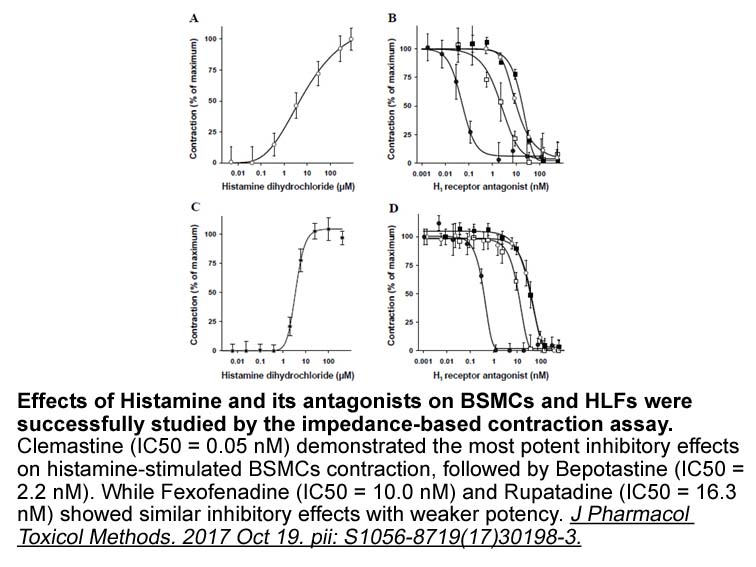
Prostaglandins (PGs) are lipid mediators that exhibit a variety of physiological properties by interacting specific G protein-coupled receptors (GPCRs) [10]. PGD2 is synthesized from PGH2 through two distinct PGD synthases; lipocalin-type PGD synthase (L-PGDS) and hematopoietic PGD synthase (H-PGDS)
-
br Acknowledgments This research was supported by grants fro
2021-08-27
Acknowledgments This research was supported by grants from the Ministerio de Ciencia e Innovación (Grants SAF/FEDER 2010-17907; 2013-49076-P), Spain, Red de trastornos adictivos (RETICS RD12/0028//0003, Instituto de Salud Carlos III, Spain) and Fundación Séneca (15405/PI/10, Región de Murcia, Spa
-
Gamboge is a dry resin obtained from Garcinia hanburyi
2021-08-27
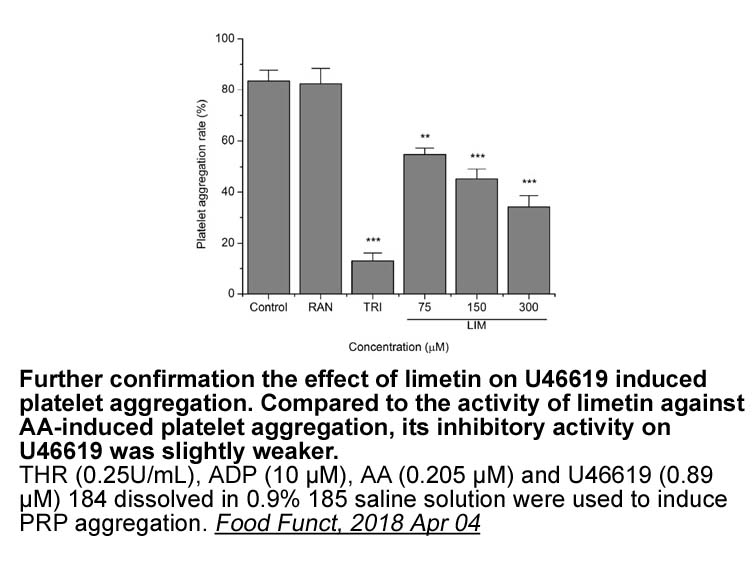
Gamboge is a dry resin obtained from Garcinia hanburyi HOOK. f. (Guttiferae). It has a variety of bioactivities, including detoxifying, homeostasis maintaining, anti-inflammatory and parasiticidic effects. Available evidence suggests that gamboge bears anticancer characteristics with gambogenic cpt
-
AON successfully alleviated the myotonic phenotype in DM mod
2021-08-27
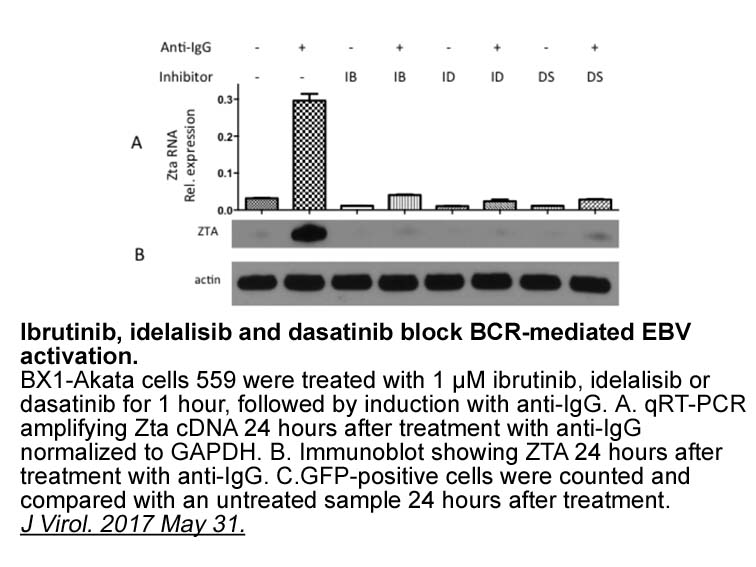
AON successfully alleviated the myotonic phenotype in DM model mice [18], [23]. To screen for an optimal AON sequence, we used 25-mer phosphorothioate 2′ O-methyl RNA molecules that covered the exon 6B or exon 7A. Unexpectedly, AON 7A (+63−8) which covers the boundary of intron 7A and exon 7A enhanc
-
Next we elucidated that the Mtb enolase
2021-08-27
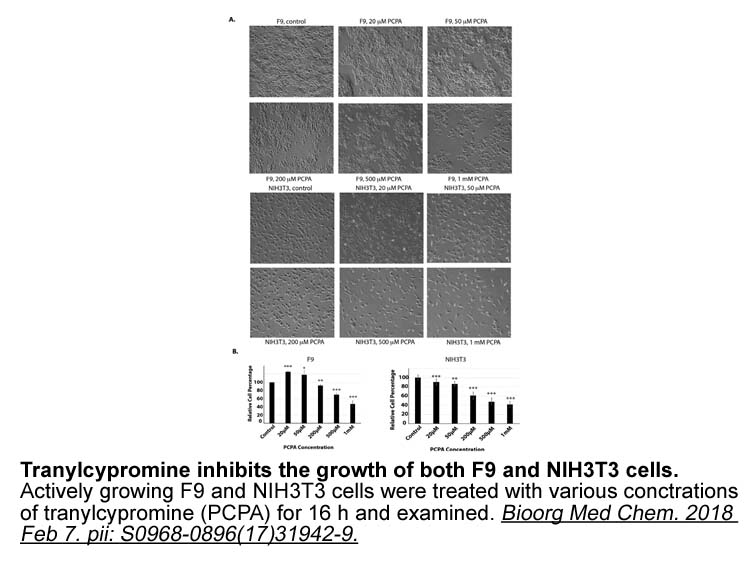
Next, we elucidated that the Mtb enolase binds to host plasminogen with a high affinity. The KD value of 360nM for this interaction suggested an avid binding between the two proteins in vivo. This observation is also in conciliation with the observed KD values for enolase-plasminogen interactions in
-
Phosphoramidon Disodium Salt Gupta et al have shown that a
2021-08-27
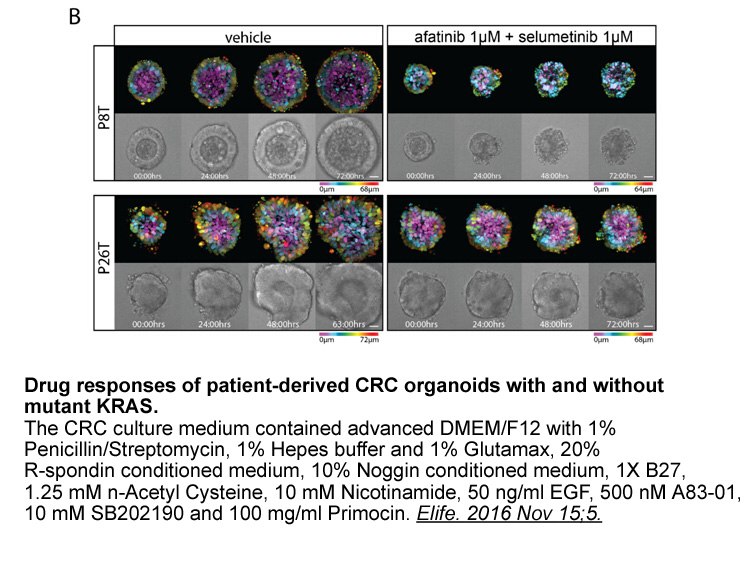
Gupta et al have shown that a genetic variant associated with the 5 vascular diseases (coronary artery disease, migraine, carotid artery dissection, fibro-muscular dysplasia, and hypertension) is a distal regulator of the ET-1 gene [30]. They found that a single nucleotide polymorphism (SNP) located
-
What are the molecular signals that guide
2021-08-26
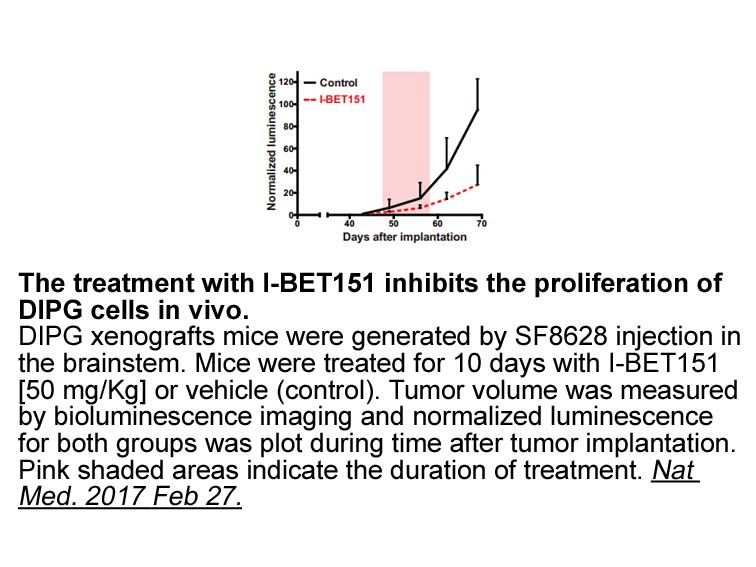
What are the molecular signals that guide Tfh cells as they navigate around the lymph node in the course of the immune response? It was recently reported that Tfh cells inside GCs have high expression of SIPR2, which acts to repel them from the S1P-rich lymph in the SCS and promote their retention i
16788 records 643/1120 page Previous Next First page 上5页 641642643644645 下5页 Last page